Mould can begin to grow in wet carpet within 24 to 48 hours, which is why fast water extraction and proper drying decide whether a flooded carpet in Perth can be saved. If your carpet has just been soaked by a burst pipe, a storm or an overflowing appliance, the steps below will help you protect your home, your health and your flooring until a professional arrives.
How Fast Does Mould Grow After Water Damage?
Mould spores are already floating around every home. What they need to take hold is moisture, and wet carpet gives them plenty. Drying guidance from the US Environmental Protection Agency is to get wet carpet and backing dry within 24 to 48 hours. It is a guideline rather than a hard deadline: mould doesn’t always appear after 48 hours, and it can still appear in materials that were dried within that window. But the odds shift the longer things stay damp.
In practice, that means the first day matters most. The sooner the water is out and the airflow is on, the better the outcome.
Why Carpet Is Such a High-Risk Surface
A wet carpet is not one layer, it’s a stack of them:
- The carpet fibres and backing
- The underlay (the cushioning layer beneath)
- The subfloor or concrete slab underneath
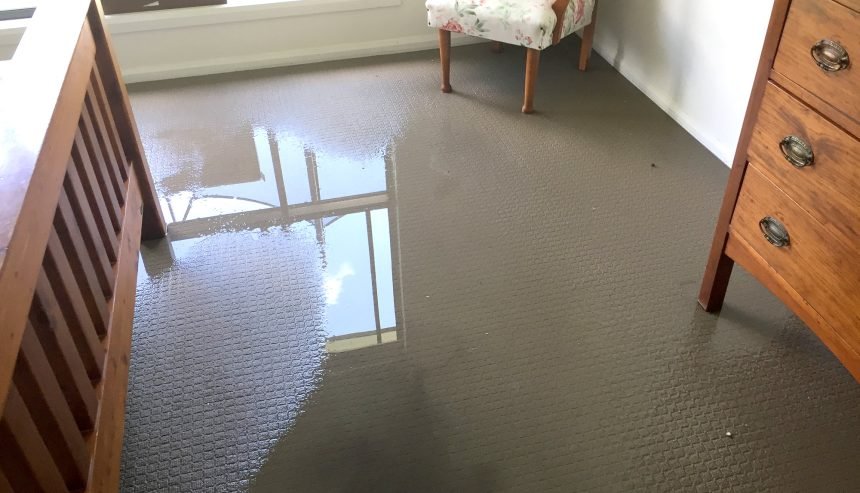
The top of the carpet can feel nearly dry while the underlay and slab stay wet. That hidden moisture is where mould tends to start, often out of sight and out of nose-range for days. Underlay can also break down and carpet backing can separate when water sits for too long, so a delay can turn a repairable job into a replacement.
Why Perth Homes Need to Act Quickly
Perth’s wetter months run through winter, when storms, blocked gutters and roof leaks are common causes of wet carpet. Year-round, the usual culprits are closer to home:
- Burst or leaking pipes
- Hot water system failures
- Washing machine and dishwasher leaks
- Overflowing baths, sinks and toilets
A lot of Perth homes are built on concrete slabs, so water that soaks through the carpet and underlay has nowhere to drain. It sits in the layers and keeps the carpet damp long after the visible puddle is gone.
What to Do in the First 24 to 48 Hours
If it’s safe to do so, work through this list while you wait for help:
- Stop the source. Turn off the water at the mains or the affected appliance. If water is near power points or cords, switch off the power to that area first.
- Get furniture off the carpet. Lift sofas and chairs onto blocks or move them out. Wet timber legs and fabric bases can stain and hold moisture.
- Remove what you can. Take up loose rugs, mats and soaked items, and hang or lay them somewhere dry.
- Move the air. Once you know the water was clean (more on that below), run fans and open doors and windows. During a wet spell, outside air may be just as damp as inside, so a dehumidifier will do more than an open window.
- Take photos. Photograph the damage and the source before you move things. It helps if you need to make an insurance claim.
- Call a professional early. Don’t wait to see whether it dries by itself. Underlay and subfloor moisture is hard to judge by touch.
What Not to Do
A few well-meant fixes make things worse:
- Don’t use your regular vacuum on wet carpet. It isn’t built for water, and it’s an electrical risk.
- Don’t rely on a hairdryer or heater. They dry the surface only, while the underlay stays wet.
- Don’t cover it up. Putting rugs or furniture back too soon traps moisture against the carpet.
- Don’t spray bleach on it. It can discolour carpet and won’t reach mould in the underlay.
- Don’t sit on a smell. A musty odour a few days later usually means moisture is still in there.
Is the Water Clean? Why the Source Matters
Not all water damage is equal. The restoration industry generally treats water in three broad categories, and the category changes the job:
- Clean water from a burst supply pipe, a tap left running or a leaking hot water system. Carpet can often be saved if it’s dealt with quickly.
- Grey water from a washing machine or dishwasher. It carries more contamination and needs more careful treatment.
- Black water from sewage or heavily contaminated floodwater. Carpet and underlay exposed to this are generally removed and replaced for health reasons.
If you aren’t sure where the water came from, treat it as contaminated until a professional has checked it. EPA guidance advises against running fans until you know the water is clean.
What Mould Means for Your Health
Mould in a home is more than a cosmetic problem. According to the Victorian Department of Health, it can trigger nasal congestion, sneezing, cough and wheeze, and worsen asthma and allergic conditions. People with allergies, severe asthma, lung disease or weakened immune systems are more susceptible.
How Professional Carpet Restoration Stops Mould
The reason professional water damage restoration works is that it goes beyond what’s visible. At Pride Carpet Cleaning, our water damage restoration service in Perth follows the same four steps on every job:
- Inspect and assess. We find the extent of the water, check moisture in the carpet, underlay and walls, and document the damage.
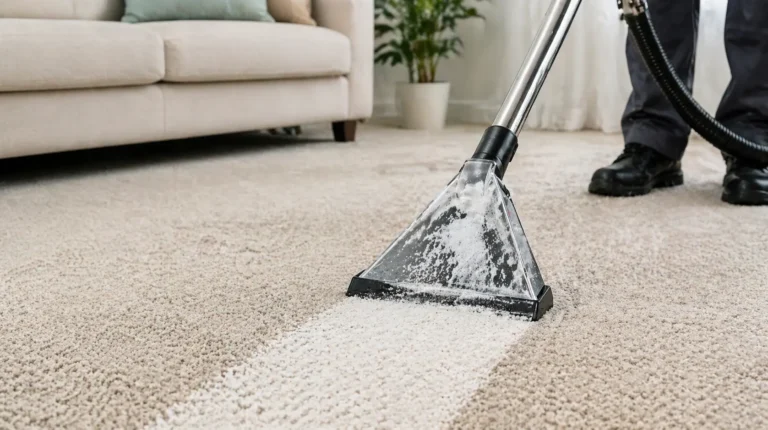
- Extract the water. Truck-mounted extraction removes as much water as possible from the carpet and underlay.
- Dry and monitor. Air movers and dehumidifiers dry the area, with moisture readings taken until levels are safe. Carpet is lifted where needed so the layers beneath can dry.
- Sanitise and restore. Affected areas are treated to help prevent mould and odour, then the carpet is cleaned and relaid.
Every job is quoted on inspection, because no two water damage situations are alike. Once the area is dry, our carpet steam cleaning and carpet stain removal services can take care of discolouration and tide marks, and the same applies to rugs, upholstery and mattresses that took on water as well.
Can Your Carpet Be Saved?
Often, yes, but it depends on a few things:
- Likely to be saved: clean water, fast action, and underlay and backing that are still intact.
- Harder to save: water that sat for several days, backing that has started to separate, or a strong musty smell.
- Usually replaced: sewage or heavily contaminated water, or established mould growth.
The honest answer comes from an inspection and moisture readings, not guesswork. That’s why we assess first and tell you plainly whether your carpet can be restored.
What a Customer Said About Our Flooded Carpet Service
Speed and clear communication count for a lot when your carpet is under water. This is a review one of our customers left after we attended a flooded carpet:
★★★★★
“Hi Scott,
Thanks for speedy service today. It is very much appreciated.
It was also comforting to hear your confidence when outlining the process you intended to carry out on the flooded carpet.
And even more so the positive outcome expected.”
Colin Shier
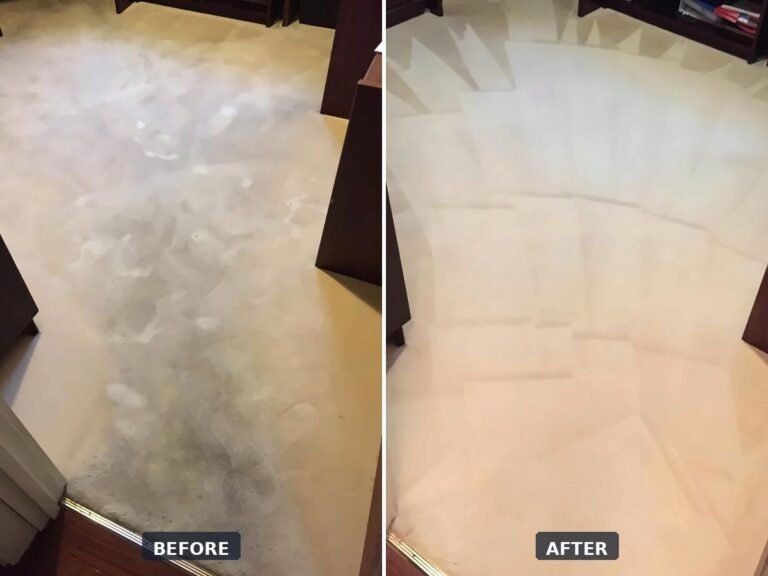
You can read more feedback on our testimonials page and see real jobs in our before and after gallery.
Flooded Carpet in Perth? Get Help Before Mould Sets In
If your carpet is wet, don’t wait to see what happens. We look after homes and businesses across the Perth metro area, including suburbs such as Nedlands, Subiaco, Claremont and South Perth, with same-day service where our schedule allows. See all the areas we cover.
Call Pride Carpet Cleaning on 0406 542 992 or request a free quote online. You can also text us a photo of the damage, and we can also help with your insurance claim with moisture readings, photos and clear reports. Check our pricing.
Frequently Asked Questions
How long does it take for mould to grow on wet carpet?
Mould can start growing on wet carpet within 24 to 48 hours if the carpet, underlay or subfloor stays damp. It doesn’t always happen on a fixed schedule, but drying within that window gives you the best chance of avoiding it.
Can I dry a flooded carpet myself?
You can take first steps: stop the water source, remove standing water, lift furniture and improve airflow. But the underlay and subfloor are hard to dry without professional equipment and moisture monitoring. If the water was contaminated, leave it to a professional.