Short answer: after a professional steam clean, most carpet is dry in about 4 to 6 hours. In cool, humid or still conditions it can stretch to 8 hours or more, and with good airflow it can be much quicker. If a carpet is still clearly damp after 24 hours, something is wrong and it’s time to act.
That range is wide because carpet doesn’t drain, it evaporates. The right mix of airflow, warmth and dry air makes the difference between walking on your floors tonight or tiptoeing around them tomorrow. Here’s how carpet moisture evaporation works, what slows it down, and the carpet drying tips we use ourselves.
How Long Does Carpet Take to Dry After Cleaning?
The method used on the day sets the starting point:
- Hot water extraction (steam cleaning): typically 4 to 6 hours, up to 8 hours or more in cold, humid weather.
- Low-moisture or dry cleaning methods: often 1 to 2 hours, because very little water goes in.
- Water damage or flooding: not a drying-time question at all. Saturated carpet and underlay need extraction and structural drying, which is a different job (more on that below).
Touch-dry and fully dry are also different. The tips of the pile can feel dry within a couple of hours while the backing and underlay still hold moisture. Plan around fully dry, not surface dry.
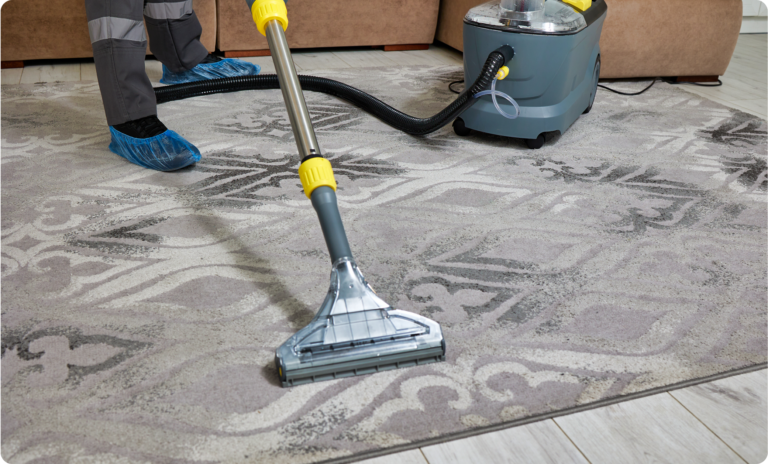
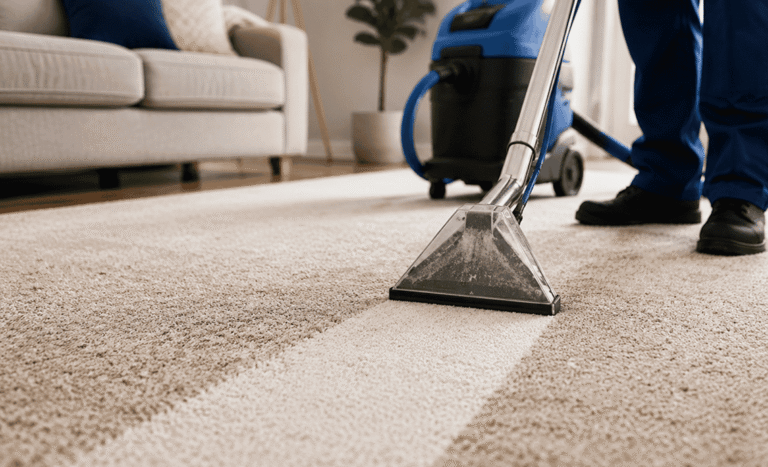
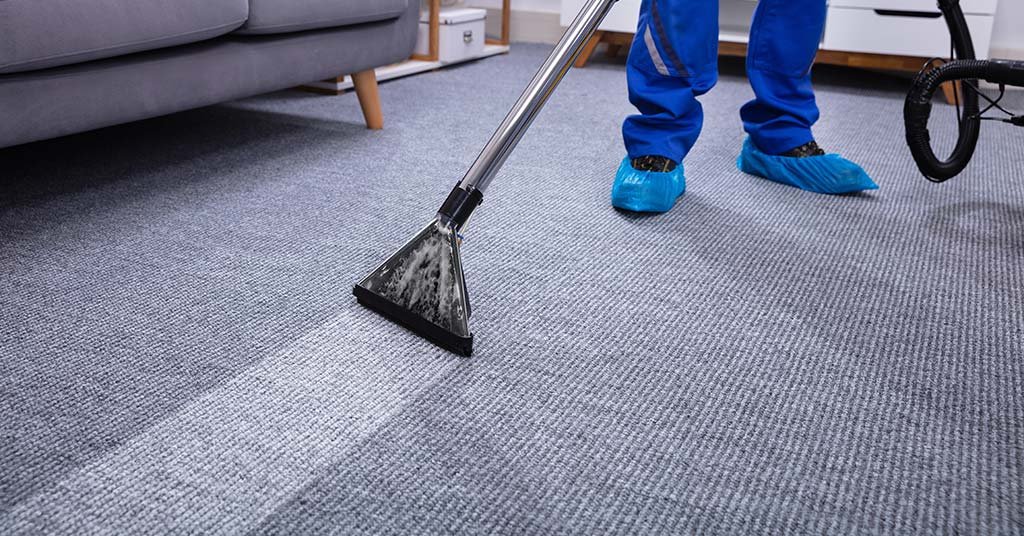
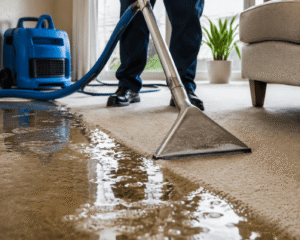
At Pride, our truck-mounted carpet steam cleaning is designed to pull as much water back out as possible, so there’s less left to evaporate. That’s the biggest single factor in drying time, and it happens before we leave your home.
How Carpet Moisture Evaporation Actually Works
Once the extraction wand is done, the only way water leaves your carpet is as vapour. Evaporation needs three things:
- Warmth: warm air holds more moisture and helps water escape the fibres.
- Air movement: the layer of air sitting directly on damp carpet saturates quickly. Moving air sweeps it away and replaces it with drier air.
- Somewhere for the moisture to go: if the room is sealed, the air fills with vapour and drying slows to a crawl.
Every tip in this guide boosts one of those three. Stack them together and drying time drops sharply.
What Affects Carpet Drying Time?
Two carpets cleaned on the same day can dry at very different speeds. The usual reasons:
- Water left in the carpet: the more thorough the extraction, the less there is to dry.
- Fibre type: nylon and polyester release water quickly. Wool holds more moisture and dries more slowly.
- Pile height and density: thick, plush carpet traps water between fibres. Low, tight pile dries faster.
- Underlay and backing: an older or heavy underlay can hold moisture below a surface that feels dry.
- Room conditions: temperature, humidity and airflow, covered next.
Temperature, Humidity and Perth Weather
Temperature impact on carpet drying. Warm rooms dry carpet faster. Aim for a comfortable room temperature, roughly 20°C to 24°C, rather than cranking the heat. Very high heat can dry the surface while moisture stays trapped below.
Humid environment carpet drying. Humidity is the real handbrake. When the air is already full of moisture, it can’t take much more from your carpet. This is why a damp Perth winter day can double drying time compared with a dry summer afternoon.
- Summer: warm easterly winds and low humidity are ideal. Expect the quick end of the 4 to 6 hour range.
- Autumn and spring: moderate conditions, usually a half-day.
- Winter: cool, damp air and rain slow evaporation. Plan for the longer end and use the drying methods below.
- Coastal suburbs: sea air can carry extra moisture, especially mornings and after rain. Don’t rely on open windows alone.
Open windows only help when the air outside is drier than the air inside. On a humid or rainy day, they can make things worse.
Carpet Drying Methods: 9 Tips to Dry Carpet Faster
Here are the carpet drying tips that make a real difference, roughly in order of impact.
1. Start with a thorough extraction
The fastest way to dry carpet is to put less water in and pull more out. Ask any cleaner what they do after the last wet pass. A good answer involves extra dry passes with the vacuum wand, not just a fan. Water removed by suction never has to evaporate.
2. Use a fan for carpet drying
A fan is the cheapest, most effective tool you own. Place pedestal or box fans low and angle them so air moves across the carpet surface rather than straight down onto it. Put a second fan at the opposite end of the room to keep air travelling. A ceiling fan on high helps, but works best alongside floor-level fans.
Professional air movers follow the same idea. As a rule of thumb, one unit per 15 to 20 square metres of carpet keeps air moving evenly.
3. Improve air circulation
Air circulation carpet drying is about preventing a pocket of saturated air from settling on the floor. Open interior doors so air can flow between rooms, and shift fans every hour or so. Dead corners behind furniture and in closed-off rooms dry last.
4. Run a dehumidifier
A dehumidifier carpet drying setup is the best fix for humid days, windowless rooms and winter cleans. It pulls vapour out of the air so the carpet keeps releasing moisture. Close the windows and doors, run it in the middle of the room, and pair it with a fan: the fan lifts moisture off the carpet and the dehumidifier removes it from the room. Check the tank regularly, as small units fill quickly.
5. Use your air conditioning
Refrigerated air conditioning dries the air as it cools it. On a humid day, running the aircon (or ducted system on fan or dry mode) is often more effective than opening windows. In cooler months, a gentle heat setting speeds evaporation, as long as there’s some air exchange so the moisture can leave the room.
6. Open windows, but only on the right days
On dry, breezy days, cross-ventilation with windows open on two sides pulls damp air out quickly. On wet or muggy days, keep them shut and rely on fans, aircon or a dehumidifier.
7. Keep foot traffic light
Walking on damp carpet doesn’t harm the fibres, but dirty soles press soil into wet pile where it sets as it dries. If you need to cross the room, use clean socks or clean shoes along one path. Take care at the edge where carpet meets tile or timber, because a damp sole on a hard floor is a slip risk.
8. Hold off on the furniture
Heavy furniture on damp carpet traps moisture underneath and can leave dents or marks. Wait until the carpet is fully dry. If you must put pieces back sooner, place foil or plastic tabs under the legs to stop rust or stain transfer.
9. Don’t rush with direct heat
Skip heaters pointed at the carpet, hairdryers and irons over towels. Direct high heat can scorch or distort fibres and only dries the surface. Steady airflow is gentler and works better.
How to Tell When Your Carpet Is Fully Dry
Try the simple towel test. Press a folded white paper towel firmly into the pile for a few seconds. If it comes away damp, moisture is still in there. Cool or clammy patches underfoot are another sign. Check high-traffic spots and areas under furniture, which dry slowest.
When Slow Drying Becomes a Problem
Carpet that dries within a day is normal. Carpet that stays damp longer deserves attention. Watch for:
- A musty smell that gets stronger overnight instead of fading.
- Carpet still clearly damp after 24 hours.
- Brown marks or old stains reappearing at the tips of the pile (wicking, caused by slow drying).
- Condensation on windows the next morning, meaning moisture is trapped in the room.
Long periods of dampness give mould and bacteria the moisture and time they need. If your carpet isn’t drying, get air moving immediately and call us.
If the carpet was soaked by a burst pipe, a storm or a leak, rather than a scheduled clean, don’t treat it as a normal drying job. Our water damage restoration service handles emergency extraction and drying of saturated carpet and underlay before mould sets in.
How to Prepare for a Faster Dry Before Your Clean
A little planning shortens the wait:
- Book morning appointments in winter so the carpet dries during daylight hours.
- Vacuum beforehand and clear small items so cleaning is faster and more thorough.
- Make sure your aircon or fans can run for the rest of the day.
- Tell your technician about any problem areas. Our team will confirm the expected drying time for your carpet on the day.
If you also have stubborn marks, our carpet stain removal service treats them before the main clean so they don’t need a second round of wetting.
Fast, Thorough Carpet Cleaning Across Perth
Pride Carpet Cleaning has served Perth homes and businesses for over 10 years, with 250+ five-star Google reviews. Our eco-friendly carpet cleaning uses powerful extraction to leave carpets clean, fresh and ready to use sooner, backed by our stain-free guarantee. You get a firm quote before we start, with same-day service available across the metro area.
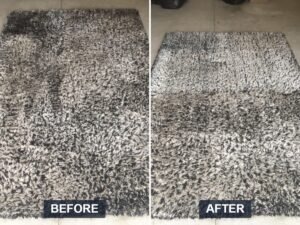
See the results in our before-and-after gallery, check our pricing (carpet cleaning from $55 per room), or request a free quote today. Prefer to talk? Call 0406 542 992 or text us a photo.
Frequently Asked Questions About Carpet Drying
How long does it take for carpet to dry after steam cleaning?
Most carpets are dry in 4 to 6 hours after professional steam cleaning. In cool, humid weather it can take 8 hours or more. Using fans, air conditioning or a dehumidifier can shorten the time considerably.
What is the best way to dry carpet quickly?
The best approach combines thorough extraction at the time of cleaning with airflow across the carpet surface. Add a dehumidifier or air conditioning on humid days and keep the room at a comfortable warm temperature. Avoid direct high heat.
Can I walk on carpet while it is still damp?
Yes, with care. Damp carpet isn’t damaged by footsteps, but dirty shoes can press soil into the pile. Use clean socks or shoes along one path and be careful on hard floors next to the carpet, where damp soles can be slippery.
Why is my carpet still damp after 24 hours?
Common causes are high humidity, a closed-up room, a very plush pile or wool fibre, an over-wet clean, or a damp underlay. Get fans and a dehumidifier running straight away. If it’s still wet or smells musty, contact your cleaner rather than waiting.