Wooden flooring adds warmth and value to any Perth home, but it’s also one of the most vulnerable surfaces when water intrusion occurs. Whether it’s a burst pipe, a leaking roof after a winter storm, or a slow, unnoticed leak under a dishwasher, water and timber simply don’t mix well. Within hours, moisture can begin to swell the wood fibres, and within days, a beautiful floor can start warping, cupping, or buckling.
If you’ve noticed your floorboards lifting, discolouring, or feeling soft underfoot, understanding what’s actually happening beneath the surface, and how professional restoration teams fix it, can save you thousands in unnecessary replacement costs.
Why Perth Homes Are Prone to Water Damaged Flooring
Perth’s climate brings its own set of risks. Heavy winter downpours, ageing plumbing in older suburbs, and a growing number of homes with timber and engineered wood flooring all combine to make water damage a common issue. Common causes include:
- Burst or leaking pipes under flooring or behind walls
- Roof leaks during storm season
- Overflowing gutters seeping into subfloors
- Appliance leaks from washing machines, dishwashers, or hot water systems
- Flooding from heavy rain or blocked drainage
- Slow, hidden leaks that go unnoticed for weeks
Because timber is porous, it absorbs moisture quickly. The longer water sits, the more severe the damage becomes, which is why fast action matters so much.
The Stages of Water Damage in Wooden Floors
1. Water Intrusion and Absorption
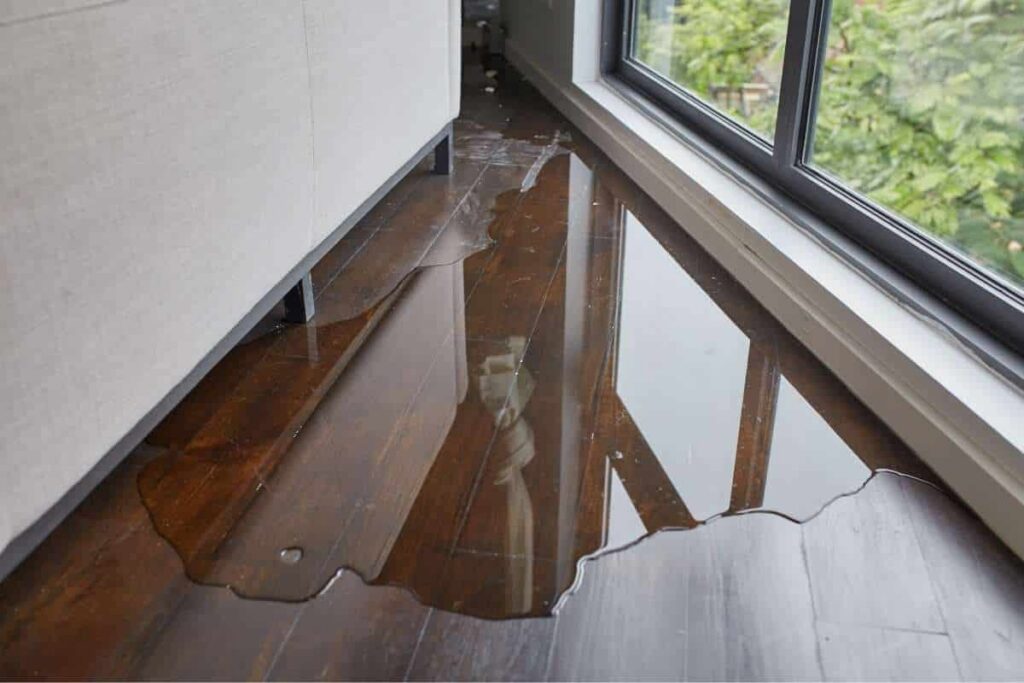
The moment water reaches timber flooring, it begins soaking into the wood grain. Engineered and solid timber floors absorb moisture differently, but both are affected. Even a small spill left too long can start this process.
2. Swelling
As the wood fibres absorb water, they expand. This swelling puts pressure on the boards, and you may notice the floor beginning to feel uneven or the boards pushing tightly against each other.
3. Cupping
Cupping happens when the edges of each floorboard rise higher than the centre, creating a slight concave shape across the plank. This is usually one of the earliest visible signs of water damage and often points to moisture coming from below the floor, such as a subfloor leak.
4. Warping
Warping is a broader distortion of the timber, where boards twist or bend out of their original shape. Unlike cupping, warping can affect the entire board rather than just the edges, and it’s often a sign that moisture exposure has been ongoing rather than a one off event.
5. Buckling
Buckling is the most severe stage. Here, the flooring actually lifts away from the subfloor, sometimes rising several centimetres in the middle of a room. This typically occurs after prolonged or significant water exposure, such as flooding, and often means sections of the floor need to be removed entirely.
6. Mould Growth
Where there’s trapped moisture, mould isn’t far behind. Wooden subfloors and the underside of floorboards create the perfect dark, damp environment for mould to develop, often within 24 to 48 hours of water exposure. Beyond damaging the timber further, mould poses real health risks, particularly for anyone with allergies or respiratory conditions.
7. Structural Integrity Concerns
Left untreated, ongoing moisture exposure weakens the timber and the subfloor beneath it. In serious cases, this compromises the structural integrity of the flooring system, creating soft spots, instability, or the need for extensive subfloor replacement rather than a simple surface repair.
How Professional Restoration Experts Assess the Damage
A proper professional assessment is the first and most important step in any water damaged flooring situation. Restoration technicians use moisture meters and thermal imaging to detect exactly how much water has been absorbed, how far it has spread, and whether it has reached the subfloor. This assessment determines whether the floor can be dried and saved or whether sections need replacing.
Key things assessed include:
- Moisture content of the timber and subfloor
- Extent of cupping, warping, or buckling
- Presence of mould or mildew
- Source of the water intrusion
- Condition of the subfloor and any structural framing
Repair Techniques Used by Experts
Once the assessment is complete, restoration specialists move into the drying and repair process. This typically involves:
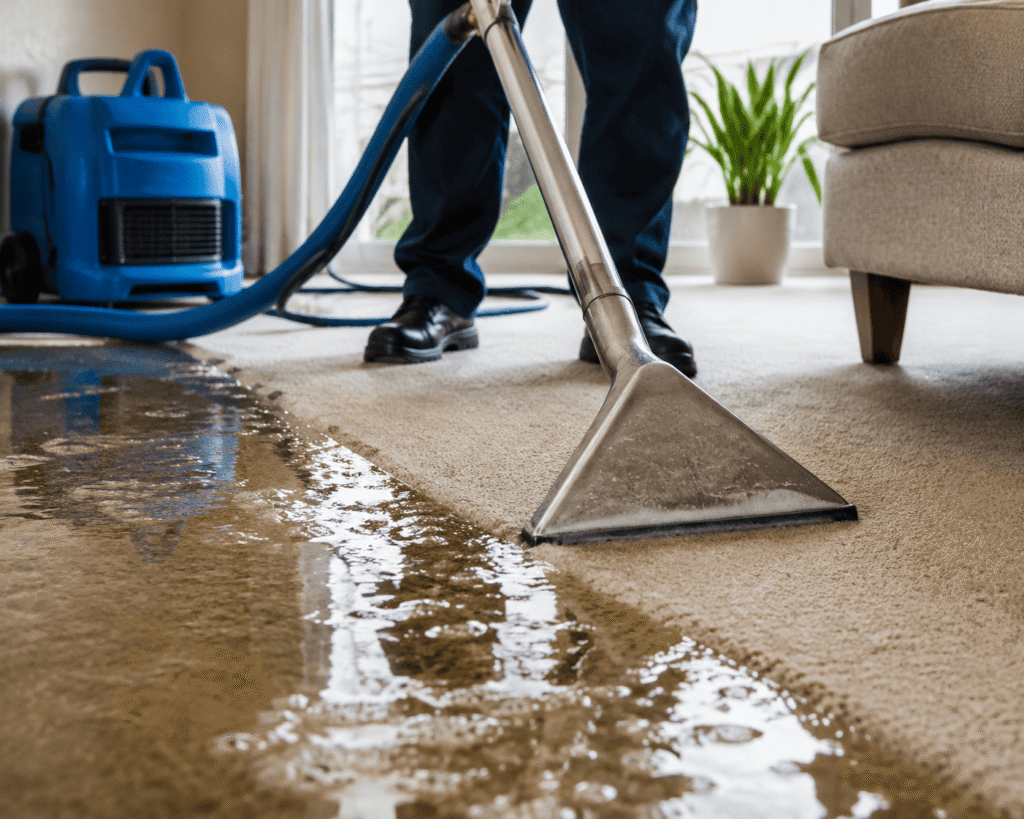
- Water extraction: Removing standing water immediately using industrial pumps and extraction equipment.
- Controlled drying: Using dehumidifiers and air movers to gradually reduce moisture levels in the timber and subfloor without causing further shrinkage or cracking.
- Monitoring: Ongoing moisture readings to track progress and confirm the timber has returned to a safe moisture level before any repairs begin.
- Board replacement: In cases of severe cupping, warping, or buckling, individual boards or entire sections may need to be removed and replaced.
- Sanding and refinishing: Once dry, boards that have retained their shape can often be sanded back and refinished to restore their original appearance.
- Mould remediation: Treating and removing any mould growth on the flooring or subfloor before repairs are completed.
- Subfloor repair: Addressing any structural issues in the subfloor to prevent recurring problems.
The goal throughout is always to dry and restore as much of the original flooring as possible, since full replacement is more costly and time consuming than a well managed restoration.
Preventative Measures to Protect Your Wooden Flooring
While not every water event can be prevented, Perth homeowners can reduce their risk with a few simple habits:
- Check plumbing and appliance hoses regularly for early signs of wear
- Clean gutters and downpipes before winter storm season
- Address small leaks immediately rather than waiting
- Use rugs or mats in high moisture areas like kitchens and laundries
- Maintain consistent indoor humidity where possible
- Schedule a professional inspection if you notice any softness, discolouration, or odour in your flooring
Catching an issue early is almost always cheaper and less disruptive than dealing with buckled or mould affected flooring down the track.
When to Call in the Experts
If your wooden flooring has been exposed to water, whether from a sudden flood or a slow hidden leak, time matters. The longer moisture sits, the more likely you are to see cupping progress into warping, and warping progress into buckling and structural damage.
A qualified water damage restoration team can assess the extent of the problem, extract moisture safely, and guide you through the drying and repair process so your floors have the best possible chance of recovery. If you’re dealing with water damaged flooring in Perth, our water damage restoration Perth team can carry out a professional assessment and get the drying process started quickly to limit further damage.
Frequently Asked Questions
- Can water damaged wooden flooring be saved, or does it always need replacing?
It depends on how much water was absorbed and how long it sat. Early stage swelling or minor cupping can often be dried and restored, while severe warping or buckling usually means some boards need replacing. - How long does it take for wooden floors to dry after water damage?
Drying times vary depending on the extent of the damage, the type of timber, and the equipment used, but professional drying with dehumidifiers and air movers typically takes several days to a couple of weeks for full moisture removal. - How do I know if there’s mould under my wooden flooring?
Signs include a musty smell, discolouration on the boards, or persistent dampness that doesn’t seem to dry out. A professional moisture assessment can confirm whether mould is present beneath the surface.