Water damage to carpets is one of the most common — and frustrating — issues homeowners face. Whether it’s a sudden flood, plumbing leak, or accidental spill, acting quickly is key to preventing mould growth, permanent stains, or structural damage.
In this guide, you’ll learn how to dry wet carpet fast, when to handle it yourself, and when to seek expert help. With the right approach, you can protect your home and preserve your carpet before the damage worsens.
Why Fast Carpet Drying Matters
When carpet remains wet for more than 24 to 48 hours, it becomes a breeding ground for mould, mildew, and bacteria. This not only affects your carpet’s condition but also your indoor air quality and health.
Long-term effects include:
- A musty, unpleasant smell
- Warped carpet underlay or subfloor damage
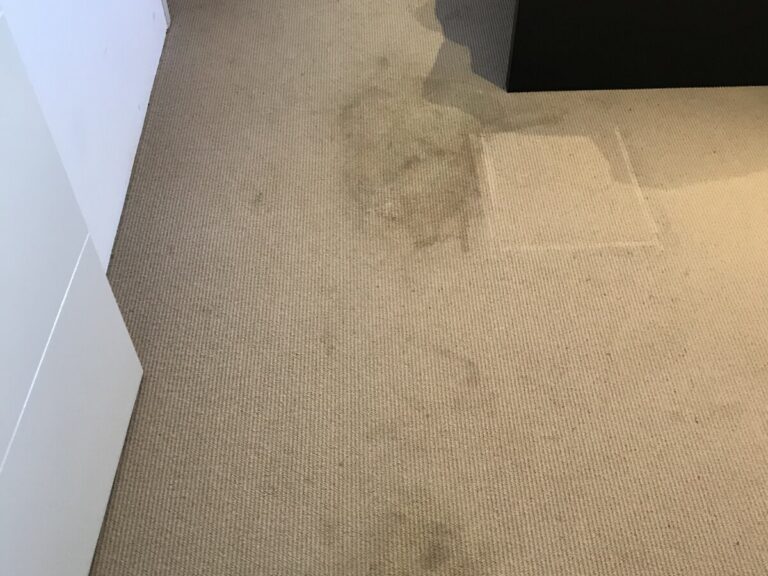
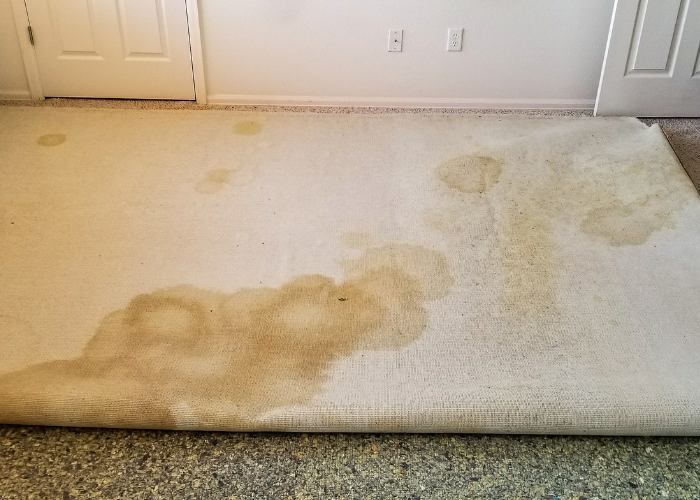
- Discolouration or permanent staining
- Respiratory problems or allergic reactions
Drying Flooded Carpet — Why the Type of Water Changes Everything
Category 1 — Clean Water
Clean water comes from a sanitary source with no contamination, such as a burst supply pipe, overflowing tap water from a sink or bath, a leaking dishwasher or washing machine during a clean cycle, or rainwater entering through a roof before contacting contaminated surfaces. This is the best-case scenario for wet carpet drying. The water poses no health risk, and if action is taken within 24–48 hours, the carpet and underlay can often be saved with thorough extraction and drying. DIY drying methods are generally safest for Category 1 water — but timing is critical.
Category 2 — Grey Water
Grey water contains significant contamination and can cause illness through ingestion or skin contact. Common sources include washing machine overflow mid-cycle (soiled water and detergents), dishwasher overflow, toilet cistern overflow (not bowl water), and aquarium leaks. Carpet affected by Category 2 water requires more than drying — it needs antimicrobial treatment after extraction. Both carpet and underlay should be professionally assessed before being considered safe. Vulnerable individuals, including children, elderly residents, and those with compromised immunity, should avoid contact until proper treatment is completed.
Category 3 — Black Water
Black water is severely contaminated and poses serious health risks. Sources include sewage backups, toilet bowl overflows, stormwater flooding that has contacted soil or drains, and stagnant floodwater. In most cases, carpet and underlay exposed to Category 3 water cannot be salvaged and must be removed and disposed of. The subfloor should be disinfected and inspected for mould and structural damage before replacement.
How Water Categories Degrade
Water categories worsen over time. Category 1 water left standing 24–48 hours can become Category 2 as bacteria multiply. Grey water can degrade into Category 3 within another 24 hours. Acting within the first 24 hours is crucial to minimise damage and health risks.
Immediate Steps to Take When Your Carpet Gets Wet
1. Clear the Area
Remove any furniture or items sitting on the wet carpet. If you can’t move large items, place aluminium foil or plastic sheets beneath furniture legs to prevent staining.
2. Soak Up Standing Water
Use towels or a wet/dry vacuum to absorb as much water as possible. The sooner you extract surface moisture, the more effective your drying will be.
If the situation is urgent — such as water from a burst pipe or overflow — you may need to contact an emergency carpet cleaning team to prevent further damage.
3. Increase Ventilation
Open windows and doors to promote airflow. Use fans to circulate air and run a dehumidifier if available. This will help remove lingering moisture from the air.
How to Dry Wet Carpet Fast: A Step-by-Step Guide
Step 1: Use a Wet/Dry Vacuum
Vacuuming helps remove water from deep within carpet fibres. Do multiple passes across the wet area.
Step 2: Lift Carpet Edges to Dry Underlay
If it’s safe, gently lift the corners of the carpet to allow air to reach the padding underneath. This prevents moisture from being trapped and causing mould.
Step 3: Set Up Air Movers and Dehumidifiers
Use fans and dehumidifiers to dry the area quickly. Place fans so that they blow across the surface, not directly down, to encourage airflow.
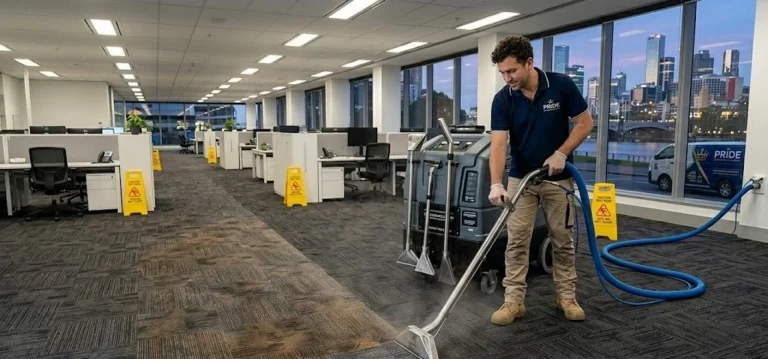
Professionals offering carpet drying services use industrial-grade blowers and moisture meters to ensure a thorough dry.
Step 4: Apply Antimicrobial Treatment
If water damage is extensive, applying a mould-inhibiting spray will help prevent future issues. Be sure to check behind skirting boards and under the carpet edges.
When to Call a Professional
DIY drying may not be enough when:
- The water is from an unclean source (e.g., sewage or stormwater)
- The carpet is still wet after 48 hours
- There’s visible mould, a persistent musty smell, or black spots
- The underlay or subfloor is saturated
In these cases, contacting specialists in flood damage restoration Perth ensures your carpet is thoroughly dried, sanitised, and safe to use again.
Preventing Future Carpet Water Damage
Prevention is always better than cure. Consider the following steps:
Regular Maintenance
Fix leaky taps and monitor plumbing fixtures to prevent unnoticed drips. Installing water leak sensors near washing machines or hot water systems can provide early warnings.
Strategic Use of Rugs and Carpet Protectors
In high-risk areas like kitchens, entryways, or laundry rooms, use rugs or mats that can be washed or replaced if wet.
Routine Cleaning and Inspection
Schedule professional carpet cleaning and stain removal to maintain carpet condition. This also gives professionals the chance to identify early signs of damage or moisture issues.
Why Trust the Experts?
While minor water spills can be handled with towels and fans, larger water damage incidents call for expert intervention.
Professional carpet cleaners have access to commercial equipment, moisture sensors, and proven methods that ensure your carpet and underlay are dried completely — reducing the risk of hidden mould or future damage.
FAQs
- Can you save a carpet that got wet?
Yes — especially if you act quickly and the water is clean. For larger areas or grey/black water, a professional should inspect the damage. - How long does it take to dry a wet carpet?
It depends on the severity, but most carpets dry in 24 to 72 hours with proper ventilation and drying tools. - Is it safe to dry carpet myself?
Yes, for small areas with clean water. For anything involving contamination, odour, or ongoing dampness, seek expert help. - What are signs I didn’t dry the carpet properly?
Persistent musty smell, soft or sagging flooring, or visible mould suggest incomplete drying.
Frequently Asked Questions
1
How do I dry flooded carpet quickly?
Start immediately — every hour matters. Remove all furniture from the affected area, extract as much standing water as possible with a wet/dry vacuum (do multiple slow passes), lift carpet edges to allow airflow to the underlay, run fans across the surface (not directly down), use a dehumidifier to reduce ambient moisture, and open windows if outside humidity is lower than inside. For significant flooded carpet events, call Pride Carpet Cleaning Perth for professional extraction and drying equipment — industrial blowers and moisture metres deliver results that home equipment cannot match. Call 0406 542 992 for same-day emergency response.
2
Can wet carpet be saved after flood damage?
It depends on the water category and how quickly you act. Flood damage carpet from clean water sources (burst pipes, appliance leaks) can usually be saved if professional drying begins within 24–48 hours. Grey water events require professional antimicrobial treatment after drying. Black water events — sewage backup, contaminated stormwater — generally require carpet and underlay removal and replacement regardless of drying speed, due to the health risk of contamination that cannot be resolved by drying alone.
3
How long does wet carpet drying take?
Wet carpet drying time depends on the extent of saturation, the water source, the carpet thickness, underlay condition, and the drying equipment used. With professional extraction equipment and industrial air movers, most residential wet carpet situations are structurally dry within 24–72 hours. DIY drying with household fans alone takes significantly longer — often 3–5 days for moderate saturation — during which mould risk increases substantially. Pride Carpet Cleaning’s moisture metres confirm when drying is genuinely complete, not just surface-dry.
4
What is the difference between clean water and flood water damage?
Clean water from a burst pipe or appliance leak is Category 1 — relatively safe to handle and the best prognosis for carpet salvage. Flood damage from stormwater, drain backup, or sewage is Category 2 or 3 — contaminated water that poses health risks and typically requires carpet removal rather than drying. The category of water involved is the most important factor in deciding whether DIY wet carpet drying is appropriate or whether immediate professional intervention is required.
5
How do I know if my carpet underlay needs replacing after water damage?
Lift the carpet at a corner or edge and inspect the underlay directly. Underlay that requires replacement shows signs including: remaining saturated after 48+ hours of drying attempts, visible mould on the foam or felt surface, compression that doesn’t spring back, or any persistent smell coming from the underlay itself. Pride Carpet Cleaning uses moisture metres during flood damage carpet drying to measure moisture levels in the underlay and subfloor — detecting problems that are invisible to touch and sight.
6
How quickly does mould grow in wet carpet?
Mould can begin developing in flooded carpet within 24–48 hours of the water event, particularly in warm conditions. Perth’s warm climate accelerates this significantly compared to cooler parts of Australia. Once mould is established in carpet fibres or underlay, it cannot be removed by drying alone — it requires professional antimicrobial treatment or, in advanced cases, carpet replacement. This is why beginning wet carpet drying within the first few hours of a water event is critical, not merely preferable.
7
Does my home insurance cover flood damage carpet drying in Perth?
Most Australian home and contents insurance policies cover sudden and accidental water damage — burst pipes, appliance overflow, and storm-related flooding — with flood damage carpet drying and restoration covered under the claim. Gradual leaks (a slow drip that goes unnoticed for weeks) are typically excluded. Contact your insurer as soon as possible after the event, document the damage with photos before any drying or removal begins, and ask whether they require you to use their preferred restoration provider or whether you can choose your own. Pride Carpet Cleaning can provide detailed documentation of damage extent and drying treatments to support your insurance claim.
8
When should I call Pride Carpet Cleaning for wet carpet drying instead of doing it myself?
Call Pride Carpet Cleaning Perth when: the water source is grey or black water (sewage, contaminated stormwater); the carpet has been wet for more than 24 hours before you discovered it; there is visible mould, a persistent musty smell, or soft or sagging flooring; the affected area is larger than one room; the underlay feels saturated after 48 hours of DIY drying; or you are preparing an insurance claim and need professional documentation of the damage. Our water damage team provides emergency same-day response across Perth — call 0406 542 992 any time.