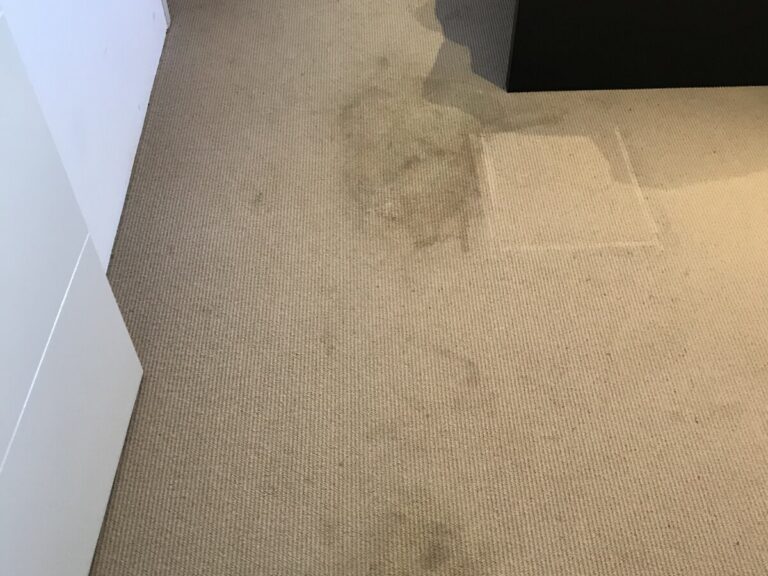

Have you noticed a musty smell or dark patches on your carpet? These are classic signs of carpet mould, a common issue in Perth homes, especially after heavy rain, plumbing leaks, or improper drying after cleaning.
Mould doesn’t just look bad; it can affect your family’s health and damage your flooring. If you’re searching for how to get mould out of carpet, this guide walks you through safe removal methods, health risks to be aware of, and when it’s time to call in the professionals.
What Causes Carpet Mould?
Carpet mould forms when moisture becomes trapped in the carpet fibres or underlay, creating the perfect environment for mould spores to grow.
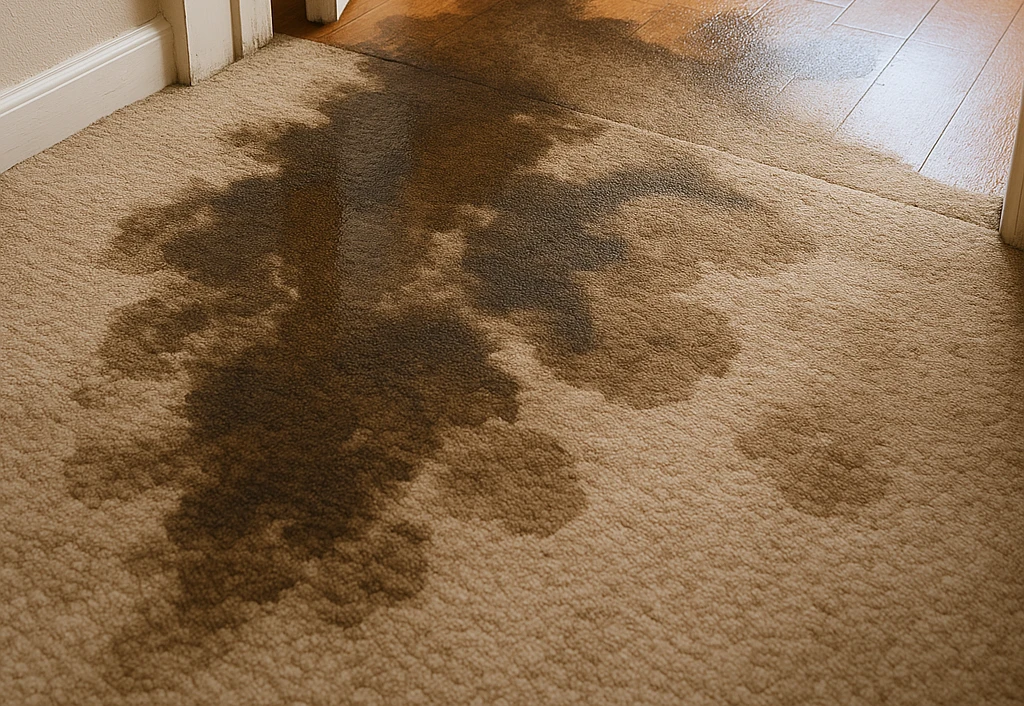
Common causes include:
Flooding or water damage
Spilled drinks or pet accidents that aren’t properly dried
High indoor humidity or poor ventilation
Over-wet DIY carpet cleaning with inadequate drying
Carpet in high-moisture areas like bathrooms, laundries, or basements is particularly vulnerable. Even seemingly dry carpet can hide moisture deep in the underlay, leading to mould growth over time.
Health and Home Risks of Carpet Mould
Mould isn’t just unsightly — it can seriously affect your health and indoor air quality. Carpet mould releases spores into the air, which may cause:
- Respiratory issues and asthma flare-ups
- Sneezing, coughing, and skin irritation
- Allergic reactions, especially in children or pets
In addition to health problems, untreated carpet mould can damage your flooring and subfloor. It may even result in the need for full carpet replacement. That’s why prompt removal is essential.
How to Get Mould Out of Carpet
There are a few ways to tackle mould depending on its severity. These DIY methods are suitable for mild cases — but if mould keeps coming back or covers a large area, professional help may be needed.
Method 1: Vacuum with a HEPA Filter
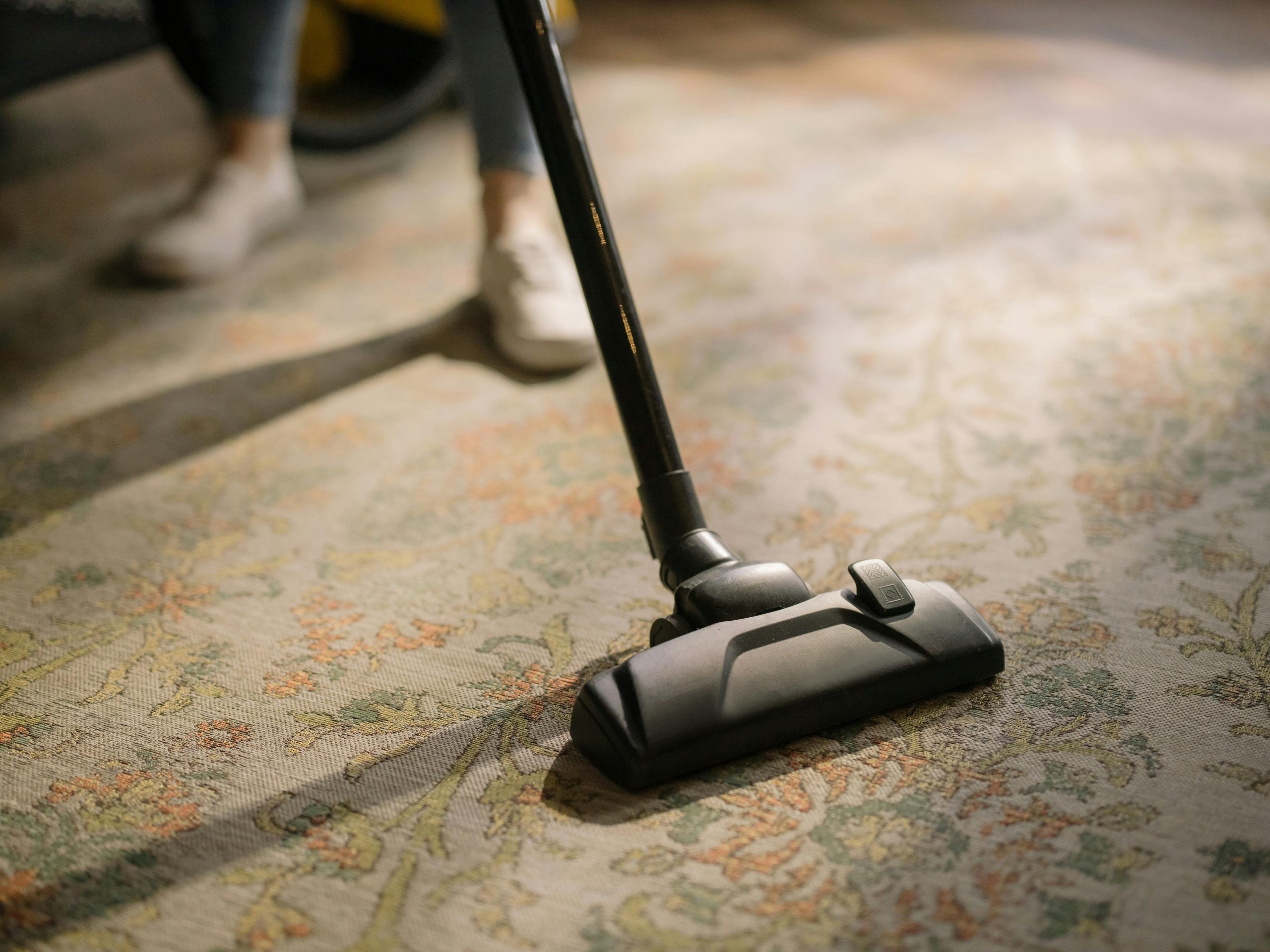
Start by vacuuming the affected area using a vacuum cleaner fitted with a HEPA filter. This helps remove loose mould spores without spreading them further through your home. Always empty the vacuum outdoors and clean the filter afterward.
Method 2: Use Vinegar and Baking Soda
Mix equal parts white vinegar and water in a spray bottle and apply to the mouldy area. Let it sit for about 30 minutes. Sprinkle baking soda over the damp patch to neutralise odours and loosen remaining mould. Gently scrub with a brush and blot with a clean cloth. Repeat if necessary.
Method 3: Apply an Antifungal Carpet Cleaner
Hardware stores stock specialised antifungal carpet cleaning products that can help eliminate deeper mould growth. Follow the instructions carefully and ensure good ventilation while using any chemical cleaner.
Method 4: Dry Thoroughly With Fans and Dehumidifiers
Mould thrives in damp environments. Once the area has been treated, it’s crucial to dry the carpet completely. Use fans, dehumidifiers, or open windows to circulate air. Avoid walking on the carpet until it’s fully dry.
Method 5: When Not to DIY
DIY methods can be effective for small patches of mould, but there are situations where it’s safer and more effective to bring in professionals. Call a mould or flood damage specialist if:
- The mould covers a large area
- You notice a persistent musty smell after cleaning
- The underlay is wet or visibly affected
- You’ve had recent flood damage in your home
If the mould smell lingers or keeps returning, it may be deep in the carpet padding or subfloor — time to call in an expert carpet cleaning and restoration provider.
Carpet Mould Cleaner — Choosing the Right Product for the Severity
Not all carpet mould cleaners are equal, and applying the wrong product to the wrong situation either achieves nothing or makes the problem worse. Understanding the options — and when each is appropriate — is the most practically useful thing this guide can give you.
White vinegar — for early-stage surface mould
White vinegar (undiluted or 50/50 with water) is a mild acid that disrupts mould growth on carpet fibres at the surface level. It is safe for most synthetic carpet types, leaves no toxic residue, and is genuinely effective for small, recently developed mould patches that have not penetrated to the underlay. Its limitation is depth — vinegar cannot reach mould established in the carpet backing or underlay, and it has no lasting antifungal protection once it evaporates. It is the right first response for a small, fresh mould patch caught early.
Baking soda — for odour, not mould
Baking soda is frequently recommended alongside vinegar in carpet mould guides, but it is important to understand its actual function. It does not kill mould — it absorbs odour and assists in drawing moisture from the surface. It is a useful companion treatment for surface freshening, but it is not a carpet mould cleaner in the active antifungal sense and should not be relied on for mould removal.
Commercial antifungal carpet mould cleaners
Products containing benzalkonium chloride, sodium hypochlorite (bleach-based), or tea-tree oil as active antifungal ingredients are more effective than vinegar for established carpet mould growth. Benzalkonium chloride-based products are the safest for most carpet fibres — they kill mould and provide a residual protective effect without the colour-stripping risk of bleach. Always patch-test on a hidden area first, follow manufacturer dilution instructions, and ensure the room is well ventilated during and after application.
For moderate mould covering an area up to about 30cm x 30cm, a commercial antifungal carpet mould cleaner applied correctly and followed by thorough drying is a reasonable DIY treatment.
When to Call in the Pros
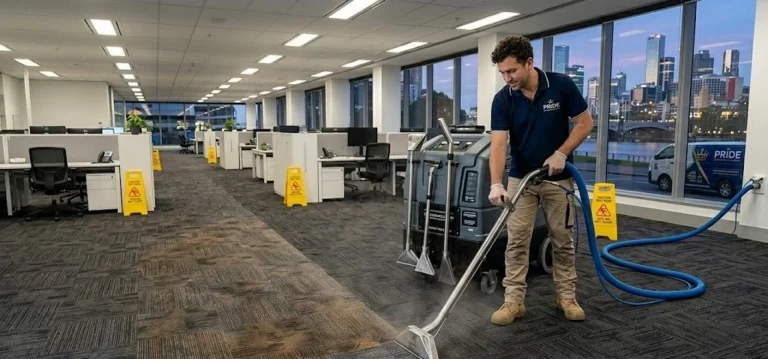
Sometimes, no amount of scrubbing will do the job. Professional carpet cleaning services have specialised tools and products to tackle carpet mould at its source — including beneath the surface. In Perth, where storms and unexpected water damage can lead to mould issues fast, prompt expert help is key.
Professional technicians can:
- Assess the extent of carpet mould and moisture damage
- Use hot water extraction and industrial dryers
- Treat the underlay and subfloor if necessary
- Apply mould-inhibiting treatments to prevent future growth
If your carpet has been affected by flooding, water damage, or hidden leaks, it’s also worth exploring dedicated flood damage restoration services.
FAQs
How do I know if mould is under my carpet?
A persistent musty smell, dampness, or visible mould patches may indicate deeper growth in the underlay. Lifting a corner of the carpet can help confirm.
Is carpet mould dangerous?
Yes. Mould spores can trigger allergies, asthma, and other health issues, particularly for children, the elderly, and pets.
Will steam cleaning remove carpet mould?
It can help in some cases, but if mould has reached the underlay or subfloor, steam cleaning alone may not be enough.
Can I clean carpet mould myself?
For small patches, yes. Use vinegar, baking soda, or antifungal products — but monitor for recurrence.
What if mould keeps coming back?
This usually means the underlying moisture issue hasn’t been resolved. A professional inspection is recommended.
Final Thoughts on How to Get Mould Out of Carpet
Carpet mould is more than just a nuisance — it can be a sign of deeper water damage and pose risks to your health and home. Whether you attempt a safe DIY removal or need expert help after a major leak or flood, acting quickly makes all the difference.
Dealing with stubborn carpet mould or water damage? Speak with the experts at Pride Carpet Cleaning, Perth’s trusted team for mould and flood restoration.
Frequently Asked Questions
1
What causes carpet mould?
Carpet mould forms when moisture is trapped in carpet fibres, backing, or underlay for long enough to allow mould spores — which are always present in the air — to germinate and colonise. Common causes include flooding or water damage not fully dried within 24–48 hours, slow plumbing leaks under or near the carpet, over-wet DIY cleaning without adequate drying, high indoor humidity in poorly ventilated rooms, and pet accidents that are not thoroughly extracted and dried. Perth’s occasional intense winter rainfall and the frequency of burst pipes and roof leaks in older housing stock make carpet mould a common issue across the metro area.
2
What is the best carpet mould cleaner for home use?
For small, early-stage carpet mould patches, undiluted or 50/50 white vinegar applied and left to dwell for 30 minutes before blotting is a safe and reasonably effective first response. For established mould on a larger patch, a commercial antifungal carpet mould cleaner containing benzalkonium chloride is more effective and provides residual protection. Avoid bleach-based products on coloured carpet — they kill mould but strip dye permanently. No retail carpet mould cleaner reaches mould below the carpet backing; if the musty smell persists after surface treatment, the mould source is deeper and needs professional assessment.
3
How do I know if carpet mould has reached the underlay?
Lift the carpet at a corner or edge and inspect the underlay directly. Signs that carpet mould has reached the underlay include visible mould growth on the foam or felt surface, a strong musty smell coming from the underlay itself rather than the carpet pile, foam that is discoloured or has lost its resilience, and any dampness in the underlay that persists after surface drying. A professional moisture metre can detect saturation below the surface even when the carpet feels dry to the touch.
4
Can steam cleaning remove carpet mould?
Steam cleaning with hot-water extraction helps remove carpet mould from the pile and upper backing by combining heat (which kills mould cells) with powerful suction (which extracts the treated material). It is effective for surface and near-surface mould on salvageable carpet. However, if mould has penetrated to the underlay or subfloor, steam cleaning alone cannot reach and eliminate the source — professional carpet mould removal involving underlay inspection, subfloor treatment, and confirmed drying is required for those situations.
5
Is carpet mould dangerous to health?
Yes. Carpet mould releases spores into the indoor air that can trigger respiratory symptoms, asthma flare-ups, allergic reactions, skin irritation, and persistent coughing or sneezing — particularly in children, elderly residents, and anyone with pre-existing respiratory conditions. Some mould species present in carpet are associated with more serious health effects with prolonged exposure. Any household member experiencing unexplained respiratory symptoms in conjunction with a musty odour in a carpeted room should have the carpet assessed for mould promptly.
6
How do I prevent carpet mould from coming back?
Preventing carpet mould from returning requires addressing the moisture source — not just the mould itself. Fix any plumbing leaks, ensure adequate ventilation in rooms with carpet (particularly bathrooms and laundries), use a dehumidifier in high-humidity seasons, act immediately on any spills or water ingress, and ensure professional carpet cleaning is followed by complete drying confirmed by air movers. If mould recurs repeatedly in the same area despite surface treatment, have the subfloor moisture levels professionally assessed — there is almost always a structural moisture source that has not yet been identified.
7
When should I call Pride Carpet Cleaning for professional carpet mould removal?
Call Pride Carpet Cleaning Perth for professional carpet mould removal when: mould covers an area larger than roughly 30cm x 30cm; the musty smell persists after DIY treatment; mould has visibly reached the underlay; the carpet has been wet for more than 48 hours before discovery; you or family members are experiencing health symptoms consistent with mould exposure; or mould has returned after previous treatment. Our team uses professional moisture metres, commercial antifungal treatments, and industrial drying equipment to address carpet mould at its source — not just the surface. Call 0406 542 992 for same-day response across Perth.
8
Does carpet mould mean I need to replace the carpet?
Not always. Synthetic carpet with mould confined to the pile and treated promptly can often be professionally restored. The decision depends on how deeply the carpet mould has penetrated, how long it has been present, and the carpet type. Severely affected carpet — particularly natural fibre carpet with mould in the backing and underlay — is generally a replacement recommendation. Pride Carpet Cleaning provides an honest salvage vs replacement assessment during the initial inspection so you can make an informed decision before any work begins.